Grumpy Black Cat Embroidery
First Impression: Cynical Charm, Not Just Cute
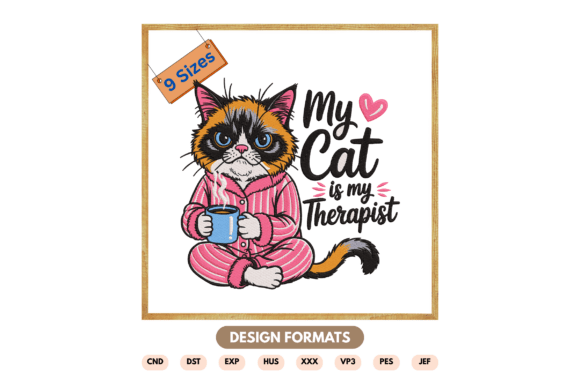
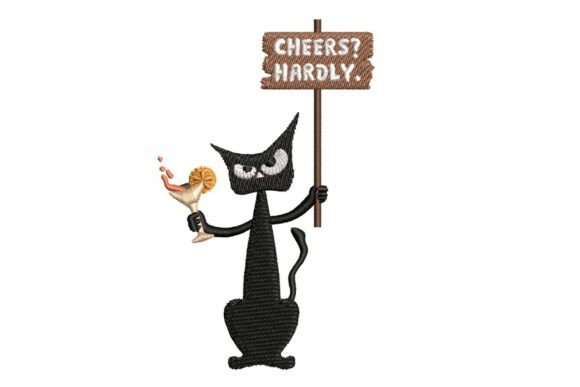
When I opened the Grumpy Black Cat Embroidery file, I didn’t smile—I paused. This isn’t another “kitten-with-bow” trope. It’s a lanky, sharp-eared black cat with a slow-burn scowl that reads like a sigh after three unanswered emails. The posture is lean, the expression dry and deliberate—less “I’m mad,” more “I’ve seen your laundry pile and I’m withholding judgment.” That tone matters. In a market saturated with saccharine animal motifs, this design lands with quiet confidence. It’s not shouting for attention; it’s leaning against the wall, arms crossed, waiting to be noticed.
A Real Project Test: Embroidering It on a Linen Tote Bag
Last week, I used Grumpy Black Cat Embroidery on a natural linen tote for a local boutique’s summer launch. We chose a medium-weight cotton-linen blend—not too stiff, not too drapey—and paired it with matte black thread on the front panel, centered just below the top seam. The result? Instant personality. Customers paused mid-aisle. One woman laughed out loud and said, “That’s my therapist’s spirit animal.” That reaction tells me something important: this design doesn’t just decorate—it connects. It works because it feels human, even though it’s stitched.
Where It Shines (and Where It Needs Care)
The Grumpy Black Cat Embroidery thrives on stable, medium-to-heavy fabrics: canvas totes, structured aprons, cotton sweatshirts, tea towels, and pillow covers. Its clean silhouette and intentional negative space hold up beautifully in satin stitch outlines and subtle fill-stitch shading—no overloading the eye or the machine. On a baby onesie? I’d reconsider unless it’s for a very dry-humored parent—the attitude reads older, sharper. On a curved cap? Possible, but only with careful hooping and light stabilizer; those pointed ears and narrow face don’t forgive distortion.
It’s also not ideal for ultra-thin or highly stretchy knits without extra stabilization. The design’s expressive lines rely on precision—especially around the eyes and mouth—and stretch can blur that intention. Likewise, dense stitch areas (like the inner ear detail) need breathing room. If you’re layering it over textured fabric—think bouclé or heavy terry—you’ll want to test stitch density first. Too much fill stitch + too much texture = muddied expression.
Dark Fabric? Yes—But With Strategy
Black thread on dark fabric is tempting, but it risks flattening the design’s nuance. I recommend testing with charcoal gray thread on navy denim or deep olive linen—enough contrast to read the frown, but still moody. For true black-on-black, consider a subtle outline stitch in silver or gunmetal thread to lift the shape without breaking the vibe.
What It Adds to Your Handmade Product
This isn’t just decoration—it’s brand voice made tactile. When customers see Grumpy Black Cat Embroidery on an Etsy listing or craft fair table, they’re not just buying a tote or pillow cover. They’re buying alignment: wit, authenticity, low-key rebellion. That elevates perceived value and builds trust faster than a dozen “handmade with love” tags. For small shop owners, it strengthens consistency across product lines—imagine it on matching aprons and kitchen towels, or as a recurring motif in holiday embroidery bundles. It’s versatile enough to feel curated, not repetitive.
Practical Designer Notes You’ll Actually Use
- Always test on scrap fabric first—especially if using non-standard thread weights or stabilizers. The cat’s expression lives in the details.
- Check thread color contrast before final stitching. A muted charcoal may vanish on heather grey; a high-contrast white might clash with the design’s dry tone.
- Review stitch density. Overly dense fills flatten the grump. Lighter fill stitches in the body keep it airy and intentional.
- Confirm hoop size compatibility. This design fits comfortably in a 4x4 hoop—but verify before hooping delicate items like baby blankets.
- Inspect small details at 200% zoom: eyelids, whisker hints, ear tips. These define the mood—if they’re lost in stitching, so is the charm.
- Test in black-and-white mockups. If it reads clearly without color, it’ll translate well across fabric types and lighting.
- Compare light vs. dark backgrounds in your digital embroidery file preview. Does the shape pop? Does the expression survive?
- Use tear-away stabilizer for stable fabrics, cut-away for knits or anything that will be washed often. The design’s longevity depends on support, not just thread.
- Verify licensing before selling finished products or reselling the digital embroidery file. Commercial use rights matter—for your peace of mind and your customers’ trust.
Why It Works for Creative Entrepreneurs
As an embroidery designer who’s reviewed hundreds of cat-themed files, I can say this: Grumpy Black Cat Embroidery stands out because it respects the buyer’s intelligence. It doesn’t ask to be loved—it invites recognition. That makes it perfect for Etsy sellers building niche audiences, craft fair vendors differentiating from mass-market booths, and apparel decorators adding signature flair to custom sweatshirt orders. It also translates cleanly into printable mockups—no frantic editing needed to make it look professional. And unlike trend-chasing designs, its dry humor has staying power. You won’t cringe at it next season.
Final Thought: It’s Not Just a Cat—It’s a Conversation Starter
I recently added Grumpy Black Cat Embroidery to a set of embroidered kitchen towels for a wedding gift. The couple texted back: “Our guests kept asking where we got ‘the judge-y cat.’ Now it’s our inside joke.” That’s the quiet power of this design. It’s not background noise—it’s a tiny, stitched moment of shared understanding. Whether you’re stitching it for a client’s custom apparel order, prepping a batch of boutique patches, or building your own line of embroidered home goods, Grumpy Black Cat Embroidery delivers more than visual interest. It delivers resonance. And in handmade work, that’s the detail that turns a finished product into a keepsake.