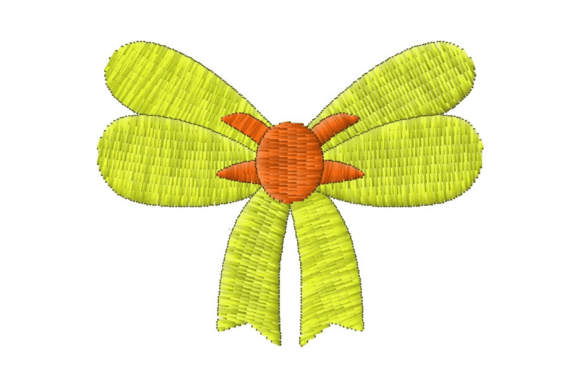
Wonderful Bow Embroidery Design
A Graceful, Timeless Accent That Sells at Craft Fairs
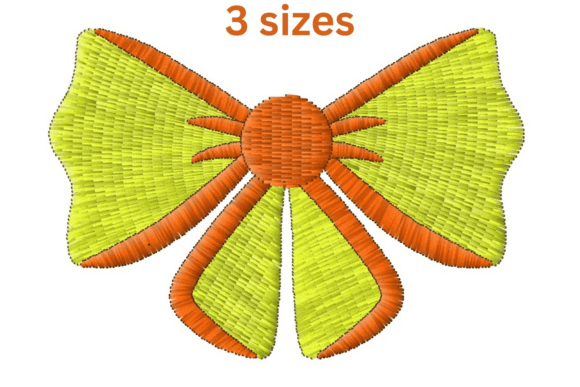
As an embroidery designer who’s prepped over 200 craft fair booths—from Portland makers markets to Southern holiday bazaars—I know exactly what makes a design stop shoppers mid-aisle. The Wonderful Bow Embroidery Design delivers that quiet confidence: soft curves, balanced proportions, and a classic elegance that reads instantly as handmade with care. It’s not loud or trendy—it’s graceful, refined, and quietly premium. That’s gold for Beauty and Embroidery-focused sellers who want to elevate everyday items without shouting.
Where This Bow Design Shines on Real Craft Fair Products
In my booth setup—featuring embroidered tote bags, linen aprons, cotton tea towels, structured caps, fabric pouches, and pillow covers—the Wonderful Bow Embroidery Design consistently draws attention on three key items:
- Tote bag design: Centered just below the handle seam, it reads cleanly from six feet away—soft enough for a boutique but bold enough for visibility in a crowded aisle.
- Apron embroidery: Placed above the pocket or along the bib edge, the flowing ribbon curves echo the drape of the fabric, reinforcing craftsmanship and intentionality.
- Embroidered patch: When stitched onto denim jackets or canvas market bags, it adds a subtle signature—ideal for small shop product lines building brand recognition.
It also works beautifully on tea towel embroidery (centered on the hem), pillow covers (corner accent or centered front), and even structured caps—though cap placement requires careful hooping due to curvature. As a machine embroidery design, it avoids tight corners or micro-details that snag on textured towels or thick twill, making it far more reliable than overly intricate bows I’ve tested.
What Makes It a Smart Choice for Etsy Sellers & Small Batch Producers
The Wonderful Bow Embroidery Design is highly repeatable—no complex color changes, no tiny lettering, no dense fill areas that cause thread breaks or stabilizer show-through. That means faster hooping, fewer restarts, and consistent results across 25+ tote bags or 50+ tea towels. For digital embroidery file users, its clean silhouette photographs exceptionally well: crisp edges, natural negative space, and clear dimensionality—even on dark fabric, provided you choose high-contrast thread colors.
It scales elegantly too. At 2.5” wide, it’s perfect as a subtle accent on cuffs or patches. At 4.5”, it becomes a focal point on pillow covers or apron bibs—without losing clarity. That versatility means one embroidery file supports multiple product tiers, saving time on mockup creation and inventory planning.
Real-World Production Notes Every Embroiderer Should Check
Before cutting into your best linen or prepping for Saturday’s fair, treat this like any commercial embroidery asset—test it:
- Run a test on scrap fabric matching your target product (e.g., terry cloth for tea towels, duck canvas for totes).
- Verify thread contrast—especially on dark or heathered fabrics where subtle stitch density can mute definition.
- Check spacing between ribbon loops; ensure they don’t collapse or pucker on lightweight knits.
- Confirm hoop size compatibility—this bow’s balanced shape typically fits standard 4×4 or 5×7 hoops, but always verify before bulk hooping.
- Use appropriate stabilizer: medium-weight cutaway for stretchy fabrics, tear-away for stable wovens like cotton tea towels.
- Create at least one real finished product—not just a printable mockup—to assess how light hits the curves in person.
- Compare thread colors across 2–3 fabric bases (cream, navy, charcoal) to lock in your most versatile combo.
- Review licensing: if selling finished products commercially, confirm the digital embroidery file includes commercial embroidery rights.
Careful-Use Considerations for Maximum Clarity
The Wonderful Bow Embroidery Design avoids many common pitfalls—but it’s not universally bulletproof. Avoid placing it:
- On heavily textured or looped terry cloth at sizes under 2”—the curves may blur.
- Across deep seams or curved cap crowns without re-hooping and digitizing adjustments.
- On ultra-thick fabrics (like waxed canvas or quilted layers) without testing stabilizer support and needle type.
- At sub-1.8” scale on dark fabric—fine ribbon details risk disappearing without precise thread selection.
If your booth leans rustic or farmhouse, lean into ecru thread on natural linen. For modern boutiques, try matte black thread on ivory cotton. Either way, the design’s inherent balance keeps it from feeling dated or overly sweet—it’s decorative without being cutesy, elegant without being stiff.
Why This Bow Strengthens Your Handmade Brand—Not Just Your Booth
In a sea of laser-cut wood signs and resin coasters, the Wonderful Bow Embroidery Design signals quiet expertise. Customers notice the smooth flow of the ribbon, the even tension in the curves—and that translates directly to perceived value. It reinforces handmade quality, supports cohesive branding (especially when used across tote bags, aprons, and gift pouches), and strengthens booth display strength by offering visual rhythm without visual noise.
For Etsy sellers, it boosts buyer engagement: shoppers linger longer on listings with clean, confident embroidery photos—and they convert when they imagine that bow on their own favorite piece. As a small shop product, it invites storytelling: “Each bow is stitched slowly, just for you.” That emotional resonance? That’s what turns first-time buyers into repeat customers.
Final Thought: A Design That Works as Hard as You Do
The Wonderful Bow Embroidery Design isn’t flashy—but it’s dependable, adaptable, and deeply sellable. It respects your time, honors your fabric choices, and rewards thoughtful execution. In the craft fair ecosystem—where attention spans are short and quality signals matter more than ever—it doesn’t shout. It simply says, This was made well. You’re worth it. And that’s the kind of message that moves product, builds trust, and brings people back to your table year after year.